Joseph Pilates Was Solving Modern Problems 80 Years Ago?
Fun Fact: What you and I call Pilates, he called "Contrology."
NEWSLETTERS
Joanna Telacka
6/6/2026
Joseph Pilates outlined the art and science of Contrology in his two books: "Return to Life Through Contrology" and "Your Health".
Written and published last year…Just kidding 😊
He wrote them about 80 years ago!
Still though, many of his observations sound surprisingly current.
In Return to Life, which he wrote in the 1940s, he said:
“Since we are living in this Modern Age we must out of necessity devote more time and more thought to the important matter of acquiring physical fitness.”
Sounds familiar, right?
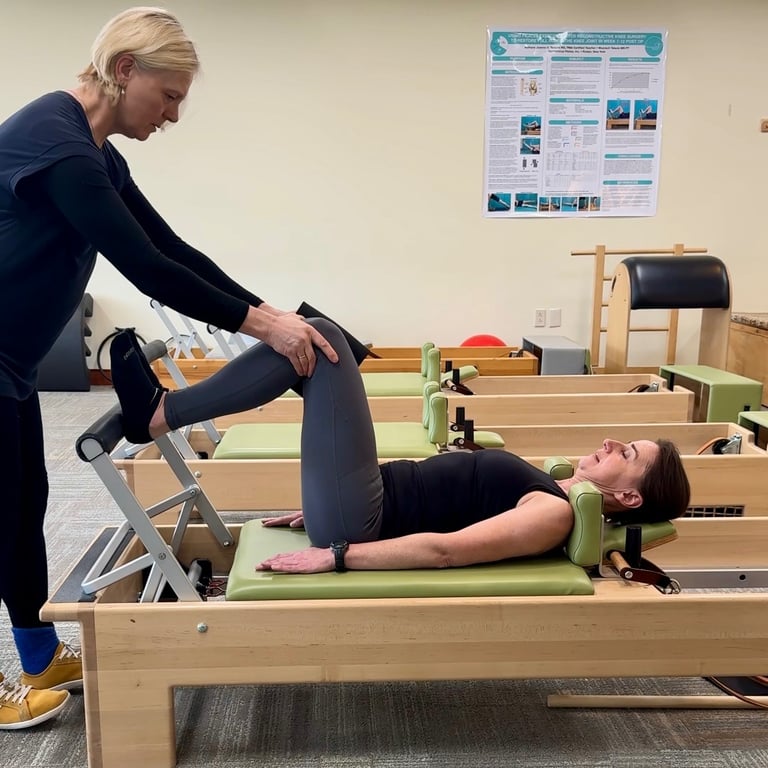
Mr. Pilates understood what we now know to be true: movement is the foundation of a healthy lifestyle.
Although the world has changed since the 1940s, the human body has not.
We still have the same spine, the same joints, the same muscles, and the same nervous system people had 80 or 100 years ago. We still need to walk, stand upright, bend down, turn around, get up from the floor, carry objects, climb stairs, maintain posture against gravity, and breathe efficiently.
And to do those things well, we still need the same physical qualities humans always needed:
spinal mobility
hip and shoulder mobility
abdominal support
coordinated breathing
balance and gait control
strength combined with flexibility
That is why movement principles are timeless.
A spine still loses mobility when it is neglected. Tight hips still affect posture, walking, and lower back health. Weak feet still affect balance. Poor breathing still reduces stamina and creates unnecessary tension in the body.
And that is simply reality.
In his own words, Mr. Pilates said:
“Contrology is designed to give you suppleness, natural grace, and skill that will be unmistakably reflected in the way you walk, in the way you play, and in the way you work…”
That sounds less like an outdated exercise method and more like a blueprint for healthy aging and functional movement.
How did he know that almost a century later society would struggle with the same physical issues?
He did not predict the future. What he understood was that the demands of living take a toll on the human body.
A neglected body tends to lose its capabilities faster.
Joints stiffen when they are not moved. Muscles weaken when they are not used. Posture deteriorates without muscular support. Balance declines without strength and coordination. Movement becomes smaller, tighter, and less efficient.
And no amount of modern terminology changes those facts.
Today we certainly know more about biomechanics and anatomy, and that knowledge can deepen our understanding of movement. But regardless of the terminology we use, people still struggle with many of the same movement habits they always have.
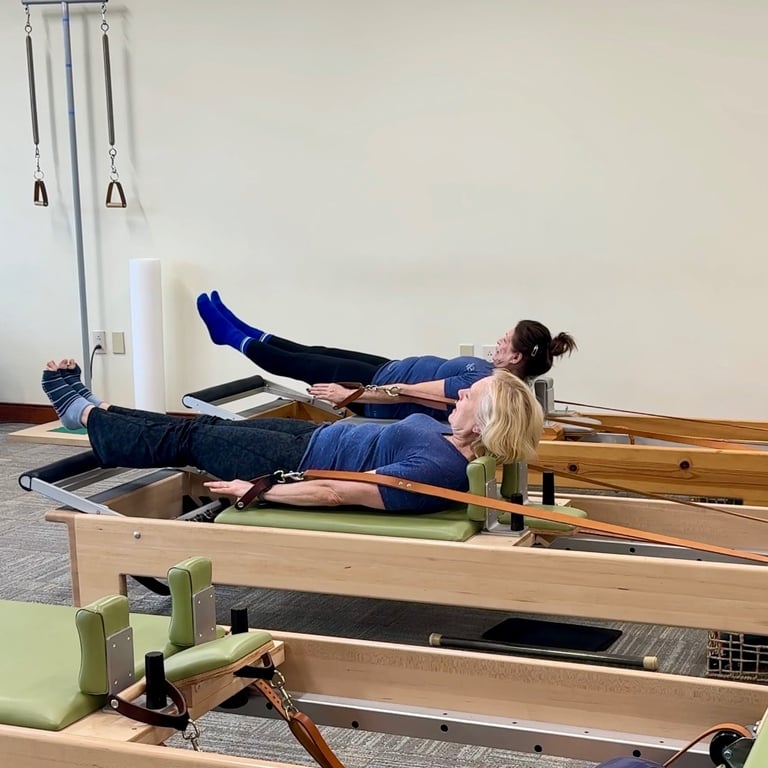
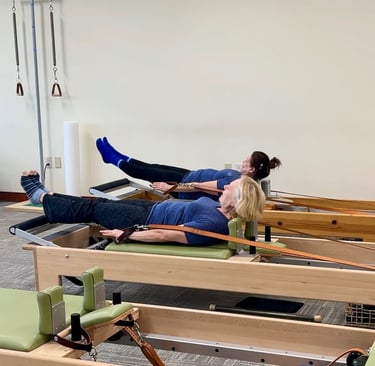
I see it every day when I teach:
When told to move their body, people still tighten their neck, grip in the hip flexors, lift their shoulders unnecessarily.
They still lock the knees, slouch, and overwork stronger muscles while weaker areas contribute less and less to the movements.
This is timeless human movement behavior.
The body still compensates when it lacks, first of all, awareness, but also strength, mobility, or coordination.
That is why the Pilates method remains so valuable today.
It teaches not just the exercises, but how to organize the body to perform them—and that skill carries far beyond the studio into every movement we make throughout our lives.
To Your Health!
Joanna 😊